
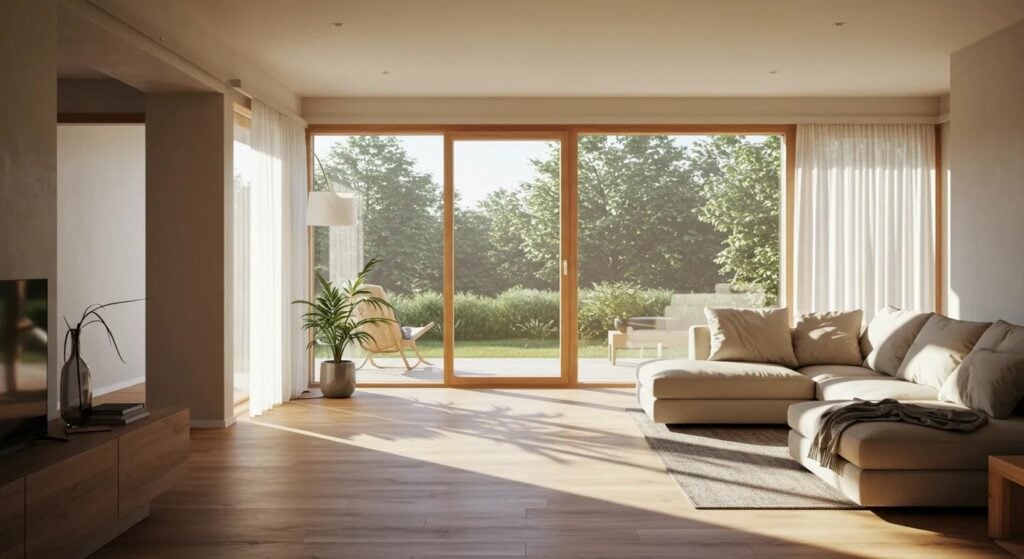
Building a home with Tradecraft Homes is not just about walls and foundations—it’s about shaping a space that reflects your life. Their in‑house designer is your creative partner from the start, blending your vision with expert guidance to ensure every layout, material, and finish feels intentional. Unlike outsourcing to a separate design firm, working with a builder’s own designer streamlines communication and keeps projects on schedule and within budget.
This first section covers how the collaboration begins: the value of in‑house design, what to expect in early meetings, and how your ideas start taking shape in layouts and material choices.
Why an In‑House Designer Matters
With an in‑house designer, every part of your project stays under one roof. Design decisions, construction feasibility, and budget all move together, which removes the friction of coordinating across multiple companies. Communication is faster, revisions are fewer, and your design vision remains consistent throughout.
Here’s how an in‑house designer changes the experience compared to hiring externally:
| Feature | Tradecraft In‑House Designer | External Designer |
|---|---|---|
| Communication | One team, direct coordination | Multiple hand‑offs |
| Timeline | Faster revisions, no middleman delays | Often slowed by back‑and‑forth |
| Budget Alignment | Real‑time cost guidance | Risk of surprises after design approval |
| Design Consistency | Unified aesthetic and technical approach | Style may conflict with build limits |
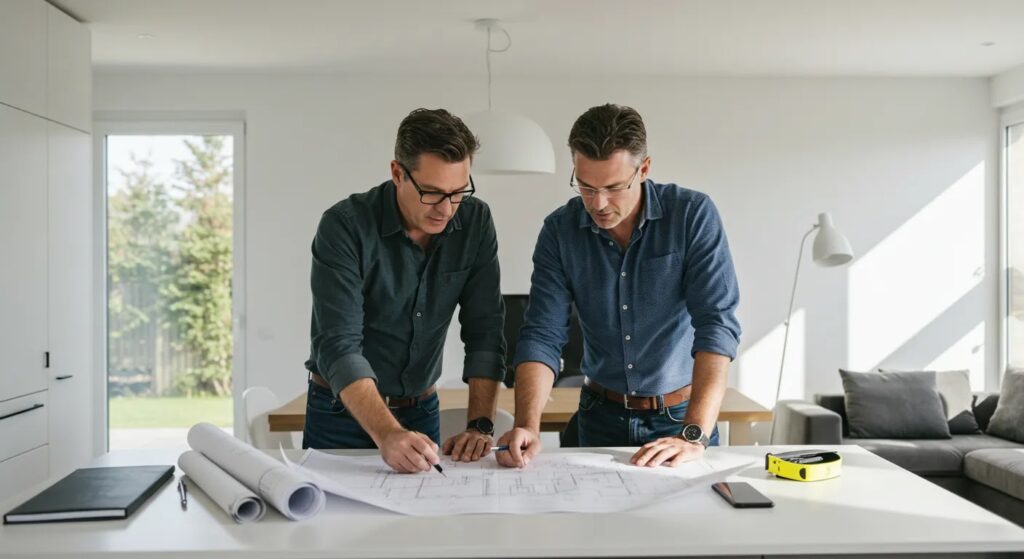
By keeping the designer and construction team aligned, you can make creative choices with confidence—knowing they are feasible, compliant, and cost‑transparent.
The First Consultation
Your experience begins with a design discovery session. This meeting is focused on learning how you live, what inspires you, and which functional features are non‑negotiable. Tradecraft’s designer will often ask questions like:
- How do you start and end your day? This reveals natural light preferences and traffic patterns.
- Which rooms matter most for entertaining or family time? Priorities help determine flow and square footage.
- Do you prefer timeless or bold finishes? Your style informs material selections later.
You’ll also review a curated board of sample materials—flooring swatches, tile samples, countertop options—organized by both style and budget tier. This gives you a hands‑on sense of the finishes that will eventually make your home feel personal.
Turning Ideas Into Layouts
After your initial vision session, the designer develops a set of conceptual floor plans. These layouts focus on functionality and flow rather than final finishes. A young family might see a design emphasizing open sightlines and a spacious mudroom, while a frequent entertainer could prioritize a large kitchen island and seamless access to outdoor living areas.
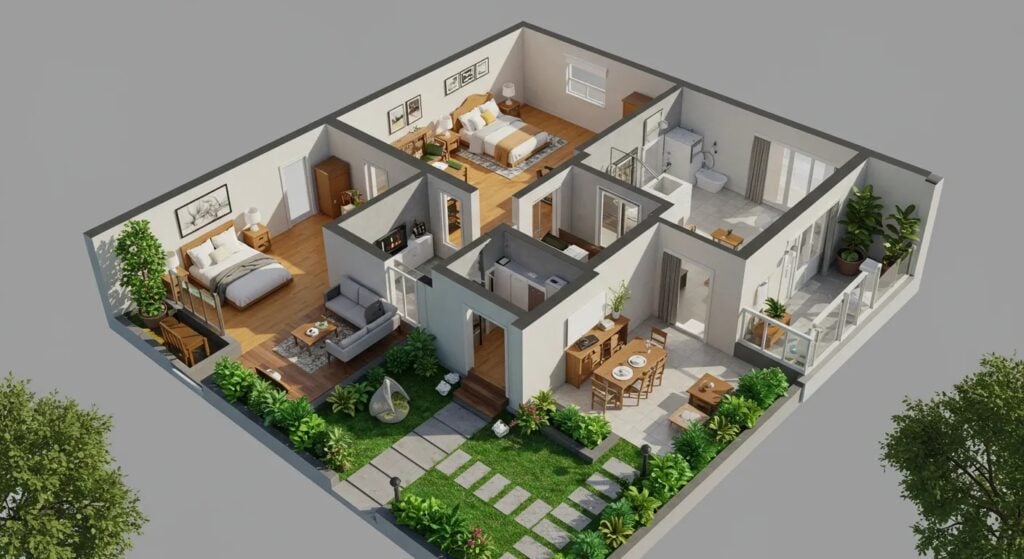
Tradecraft typically provides three to four layout options, each highlighting different approaches to space. In a review session, you’ll walk through the merits of each plan, discuss how daily routines fit into the layouts, and select a preferred direction.
Material Selections and Finish Planning
Once the layout is in place, the design process shifts to finishes—the part that truly gives your home character. Tradecraft’s in‑house designer narrows options to a curated list so the process stays exciting without being overwhelming. Choices are typically grouped by space and by cost impact:
| Room | Example Options | Price Consideration |
|---|---|---|
| Kitchen | Quartz or granite countertops | $10K–$15K difference |
| Bathroom | Ceramic vs. porcelain tile | $5K variance |
| Flooring | Engineered hardwood or laminate | Durability vs. savings |
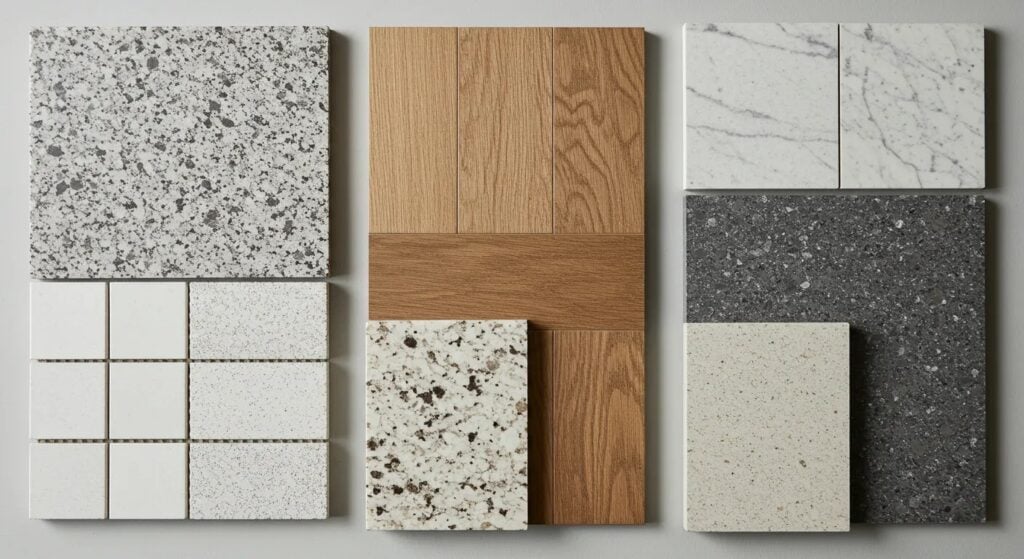
This stage is a mix of conversation and tactile experience. You’ll compare textures, hold swatches in natural light, and hear recommendations about durability and maintenance. The designer’s role is not just to guide your style but also to protect you from choices that could add unnecessary cost or long‑term headaches.
By the end of the first design phase, you’ll have:
- A conceptual floor plan that fits your lifestyle.
- A curated palette of finishes with clear cost guidance.
- Confidence that your ideas are realistic and buildable.
These elements move seamlessly into construction documentation, so when the next stage begins, your home is ready to transition from vision to blueprint.
Moving Beyond Concept: Detailed Design
Once the foundational layout and initial finish selections are approved, Tradecraft Homes moves into the detailed design phase. This is where your home’s personality really comes to life. The in‑house designer takes the conceptual plans from Part 1 and layers in all the critical details that make a house functional, cohesive, and code‑compliant.
In this stage, you’ll:
- See dimensioned floor plans and elevations that show cabinetry, lighting, and furniture placement.
- Review electrical and plumbing plans to ensure outlets, fixtures, and utilities align with your lifestyle.
- Start integrating final materials like trim profiles, paint colors, backsplash tiles, and hardware selections.
This stage is less about daydreaming and more about decision‑making. Small choices—like whether a kitchen outlet sits on the island or along the wall—are locked in now because they affect how contractors will wire, plumb, and build.
Collaboration in Action
Tradecraft’s collaborative design approach means you’re never left to guess how one decision will impact another. Weekly or bi‑weekly check‑ins allow you to confirm details without slowing the project. A typical review session might include:
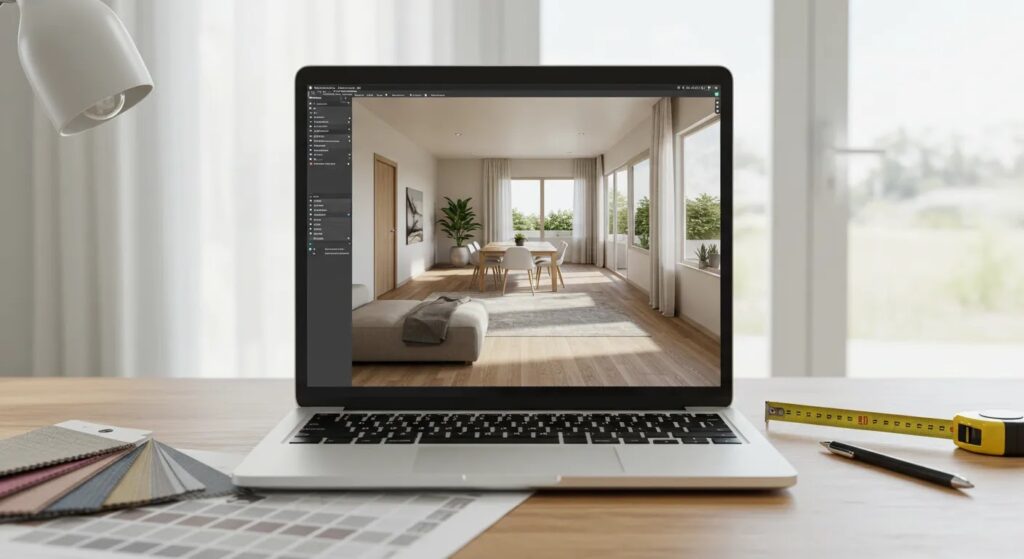
- 3D Walkthroughs Visualizing spaces in three dimensions helps you feel the scale of a room or sightline.
- Material Integration Swatches and renderings are combined, so you see how a countertop choice pairs with flooring and cabinetry.
- Cost Confirmation Each approved selection updates the running budget. You always know how the total build cost is trending.
This cycle continues until every key selection—appliances, flooring, lighting, and fixtures—is approved.
Managing Revisions and Scope Adjustments
Even the most decisive homeowners often have a few changes once they start visualizing the final product. The benefit of Tradecraft’s in‑house designer is that adjustments can be addressed quickly. Here’s how the revision process works:
- Minor revisions (like swapping a tile or moving a light fixture) are often handled in a single meeting.
- Major layout changes—for example, expanding a primary suite—are evaluated against timeline and budget before proceeding.
- Transparent updates are provided for each change, so there’s no mystery about the impact.
This flexibility keeps the project agile while maintaining schedule and budget discipline.
Coordination with Construction
As design wraps up, the in‑house team transitions from planning to execution. Unlike projects that rely on outside designers, Tradecraft’s design‑build workflow avoids the communication gaps that can lead to delays or misinterpretations.
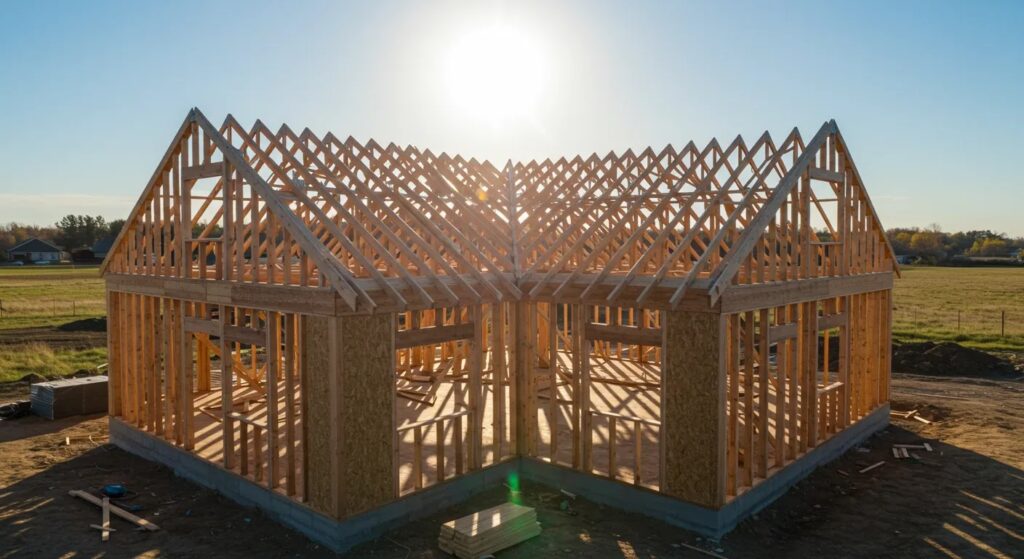
The hand‑off to construction is actually a continuation of the same conversation. Designers remain involved during key build stages, visiting the site, and troubleshooting any issues that arise. This ensures that the intent behind each detail survives the building process.
A typical design‑to‑build workflow looks like this:
| Stage | What Happens | Your Role |
|---|---|---|
| Final Design Approval | Plans, finishes, and specs locked in | Sign‑off on all major decisions |
| Permit Submission | Tradecraft secures local approvals | None—team handles this step |
| Pre‑Construction Meeting | Designer + builder review timeline and details | Confirm schedule and expectations |
| Build Check‑Ins | Site visits for layout validation and finish QC | Join select walkthroughs as needed |
Staying Engaged During the Build
One of the biggest advantages of having an in‑house designer is that they remain your advocate even after construction begins. Instead of disappearing after hand‑off, the designer:
- Monitors that the construction team follows design intent.
- Flags any potential conflicts early, like a cabinet door swing interfering with trim.
- Helps coordinate final finish installations, such as backsplashes or feature walls.
This ongoing involvement not only ensures the house matches the approved plan but also allows small, timely adjustments without derailing the schedule.
Avoiding Common Pitfalls
Homeowners working with outside designers often face issues that Tradecraft’s approach naturally avoids:
- Budget Creep When a separate designer speculates high‑end finishes without knowing the builder’s pricing, costs can spike unexpectedly.
- Misaligned Timelines Slow communication between firms can delay permitting and start dates.
- Lost Design Intent Without designer oversight, contractors may substitute materials or miss small but important details.
With Tradecraft, your designer and construction team speak the same language. Every choice is realistic, documented, and monitored through completion.
Preparing for the Final Phase
By the end of this stage, you have more than just drawings—you have a fully executable plan and the assurance that every decision is understood by the people building your home. This sets the stage for the smoothest part of the process: watching your design vision become reality.
Next in Part 3, we’ll cover the conclusion of the journey: final walkthroughs, design validation, and a recap of how working with an in‑house designer ensures a seamless and satisfying home‑building experience.
From Concept to Completion
By the time your home reaches the final stages of construction, Tradecraft Homes’ in‑house designer has guided you through a journey that blends creativity, practicality, and precision. This is the moment when all the early collaboration pays off. Seeing walls rise and finishes installed is satisfying not just because the home looks beautiful, but because you know each detail has been carefully thought through and aligned with your vision.
In the final phase, the focus shifts from design decisions to execution and validation. The designer works hand‑in‑hand with the build team to confirm that every choice—from cabinet hardware to tile alignment—meets the agreed standard. If small adjustments are needed, they can be made in real time because the designer is still part of the conversation, not an outsider who has already moved on.
Final Walkthroughs and Inspections
Tradecraft’s in‑house approach simplifies the home‑stretch experience for homeowners. Instead of juggling separate teams, you have a single point of accountability for ensuring that the final product reflects the plan. A typical wrap‑up process includes:
- Pre‑Walkthrough Review The designer inspects the home with the construction team, noting any minor adjustments or touch‑ups before you see the space.
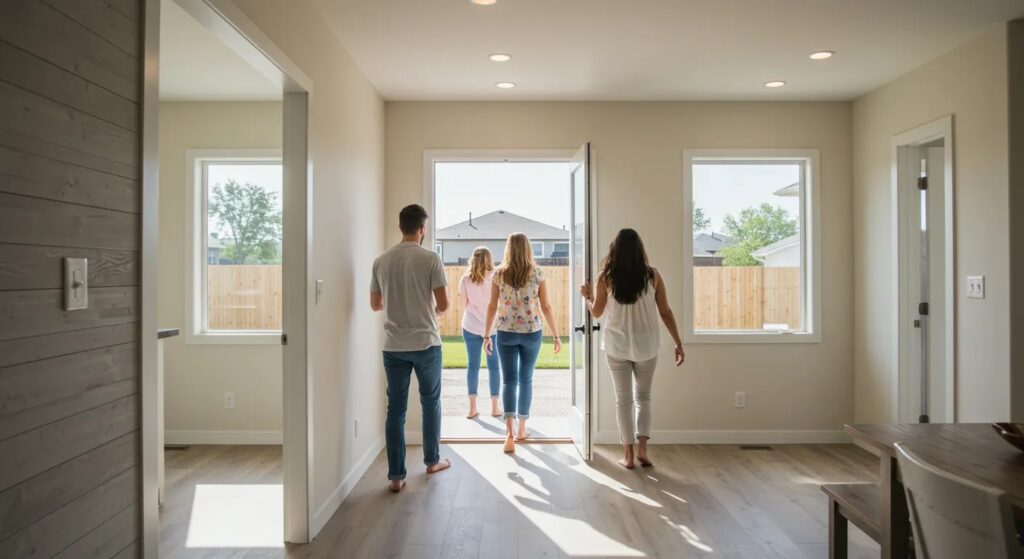
- Homeowner Walkthrough You tour your finished home alongside the designer, reviewing every room for layout accuracy, finish quality, and overall feel.
- Punch‑List Resolution Any remaining items, such as paint touch‑ups or hardware adjustments, are logged and completed before move‑in.
This level of involvement ensures your first experience of the completed home is positive, not stressful. You’re not discovering mismatched finishes or layout compromises—you’re stepping into a cohesive, thoughtfully designed space.
Benefits You’ll Notice Immediately
By the time the keys are in your hand, the difference of working with an in‑house designer is clear. Homeowners frequently cite three standout benefits:
- Consistency – The same vision guides every stage, from early sketches to final finishes.
- Efficiency – Decisions are faster, and any issues are resolved before they become problems.
- Confidence – You know your choices are practical, beautiful, and aligned with your lifestyle.
This experience is hard to replicate when working with an external designer who doesn’t have day‑to‑day integration with the build team.
A Real‑World Example of Collaborative Design
Imagine a homeowner who wanted a modern farmhouse with open, sun‑filled spaces but had a modest budget. The in‑house designer at Tradecraft proposed:
- A split‑level layout to maximize light and flow without adding square footage.
- A mix of engineered hardwood and durable luxury vinyl plank to balance style and cost.
- Strategic accent finishes—a bold backsplash in the kitchen and upgraded lighting in main living areas—while keeping secondary spaces simple.
Because the designer was part of the same team managing costs and schedules, every suggestion was actionable. The result? A home that felt upscale and tailored without exceeding the homeowner’s financial plan.
Why Homeowners Love the Tradecraft Approach
Working with Tradecraft’s collaborative design process means your dream home isn’t left to chance. Everything about the workflow—from the first consultation to the last walkthrough—is designed to eliminate friction and maximize creativity. Here’s why it resonates with homeowners:
| Advantage | Impact on the Homeowner |
|---|---|
| Integrated Communication | Fewer surprises, faster progress |
| Budget Transparency | Clear cost guidance at every decision point |
| Unified Aesthetic | A cohesive, personalized final result |
| Ongoing Designer Role | Consistent support through move‑in |
By integrating design and construction, Tradecraft ensures that the house you imagined is the house you move into.
Recap: The 3‑Part Experience
Throughout this series, we’ve explored what it really means to work with an in‑house designer at Tradecraft Homes:
- Part 1: Introduction and Early Collaboration
- Understanding your lifestyle and style preferences
- Creating conceptual layouts and curated finish palettes
- Part 2: Detailed Design and Build Coordination
- Locking in dimensions, materials, and systems
- Seamlessly transitioning to construction without miscommunication
- Part 3: Conclusion and Recap
- Overseeing installation, walkthroughs, and final adjustments
- Delivering a home that matches your vision and budget
The key takeaway? An in‑house designer isn’t just a convenience—it’s the foundation for a smooth, satisfying, and truly personalized home‑building experience.
Your Next Step
If you’re considering building a home, think beyond floor plans and square footage. Partnering with a builder like Tradecraft Homes—with a dedicated in‑house designer—means your vision will be translated into reality with care, efficiency, and clarity. From the first sketch to your first day in the home, you’ll have a partner making sure every choice feels intentional and every finish feels like you.