
Start With the Way You Live
When people imagine building a home, they usually start with visual inspiration: a Pinterest board, a paint palette, or maybe a dream kitchen. But smart home design isn’t just about aesthetics—it’s about alignment. A floor plan that fits your life supports how you move, gather, rest, work, and grow.
That’s why at Tradecraft Homes, custom floor plans begin with something more fundamental than fixtures: your lifestyle.
What time do you wake up and how do you get out the door? Do you entertain friends or host family overnight? Do you work from home or crave peace and quiet? The answers shape everything from bedroom placement to kitchen flow—and they’re different for every household.
Think Function Before Finish
Designing a home that works for you begins with being honest about what your life actually looks like.
Are you always trying to find a quiet space for Zoom calls? A dedicated home office may beat a bonus room. Struggling to get out the door with three kids under age 10? A well-placed mudroom with storage for backpacks and shoes might be more useful than an oversized entryway.
These decisions become even more valuable when you consider how long you plan to stay in the home. You may not need a main-floor bedroom now, but if you expect to age in place or care for an elderly parent down the road, accessibility becomes more than a luxury.
Rather than focusing only on what looks good on a listing or render, think about your real life—especially the moments that tend to feel rushed, stressful, or messy. Good design smooths out those moments.
Map Out Your Non-Negotiables
Every floor plan comes with trade-offs. The key is knowing your top priorities before you’re deep into design.
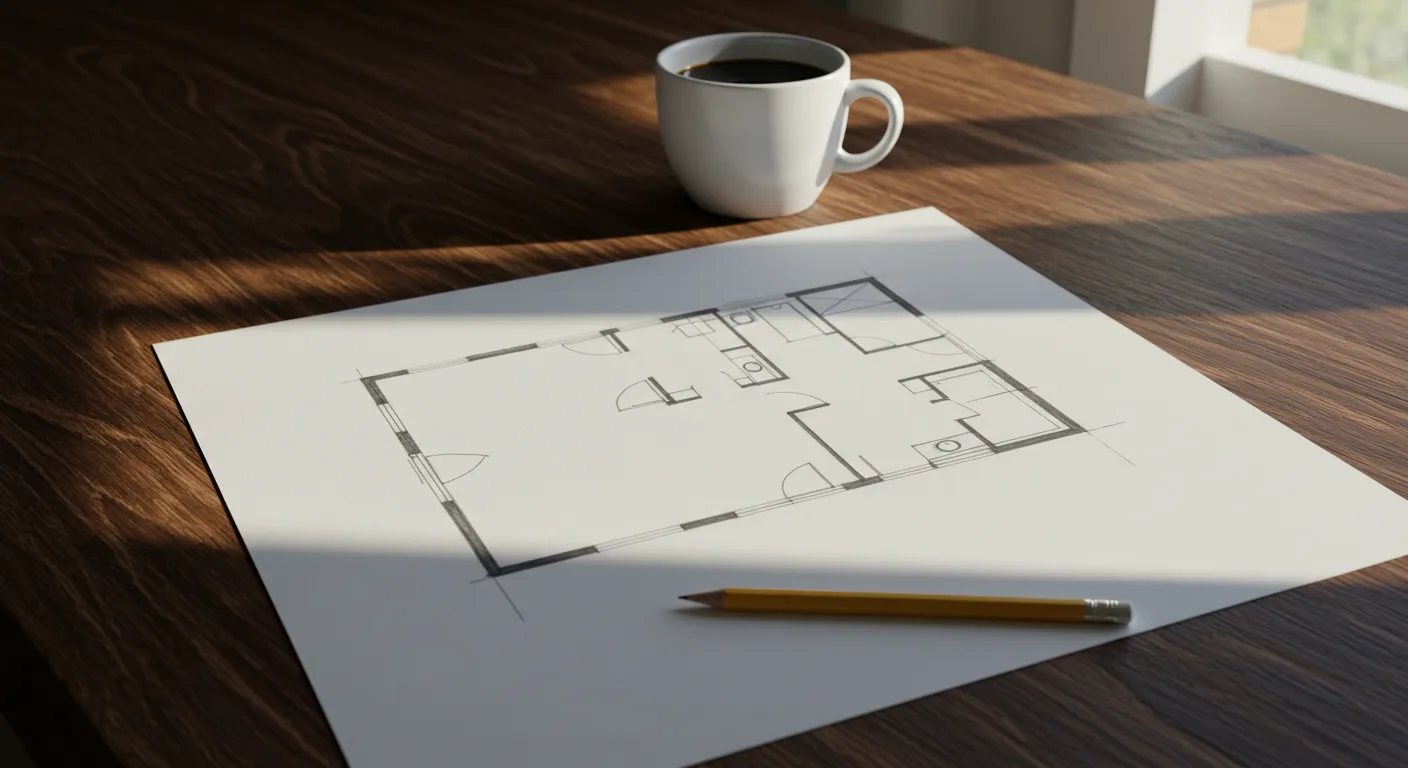
For many of Tradecraft Homes’ clients, that starts with identifying what matters most. A couple downsizing from a large family home might want open common areas but minimal bedrooms. A young family might prioritize quiet zones for naptime and a walk-in pantry for bulk food storage.
Here’s how to start narrowing it down:
- Essential spaces: List the rooms you use daily—and don’t forget about transitional areas like hallways and mudrooms.
- Functional flow: Consider how rooms connect. Does the kitchen need to be open to the living room? Should the primary bedroom be separate from the kids’ rooms?
- Future needs: Think about how your lifestyle might evolve over the next 5–10 years.
Rather than aiming for a one-size-fits-all list of “must-haves,” Tradecraft’s design team helps you prioritize based on how you actually live. That’s the difference between a house that looks good on paper and one that feels right every day.
Understand the Power of Layout
The term “custom floor plan” doesn’t just mean choosing your cabinet style. It’s about structure—where things go, how you move through them, and how each space supports a specific purpose.
In practice, that might look like:
- A split-bedroom layout that gives parents and teens more privacy.
- A kitchen island positioned for both meal prep and entertaining.
- A laundry room that shares a wall with the primary closet to minimize steps.
The goal isn’t just flow—it’s efficiency. You’re not just placing walls; you’re designing movement.
Tradecraft Homes encourages clients to walk through digital floor plans with their daily routines in mind. If your mornings are chaotic, how can the layout support a smoother start? If your weekends revolve around hosting, how can the kitchen and living areas work together?
Know Where People Go Wrong
It’s surprisingly easy to build a house that doesn’t actually work for you. Some common missteps include:
- Designing for the idea of a lifestyle, not the reality. Just because you like open-concept living doesn’t mean it suits your need for quiet or privacy.
- Skipping storage in favor of square footage. Walk-in closets and built-ins make a bigger difference than an oversized bedroom.
- Following trends blindly. What’s in style isn’t always what’s livable.
Even something as small as poorly placed windows can impact your quality of life. The team at Tradecraft works to avoid these mistakes by spending extra time in the planning phase—clarifying how each decision supports the way you live.
Turning Lifestyle Into Layout
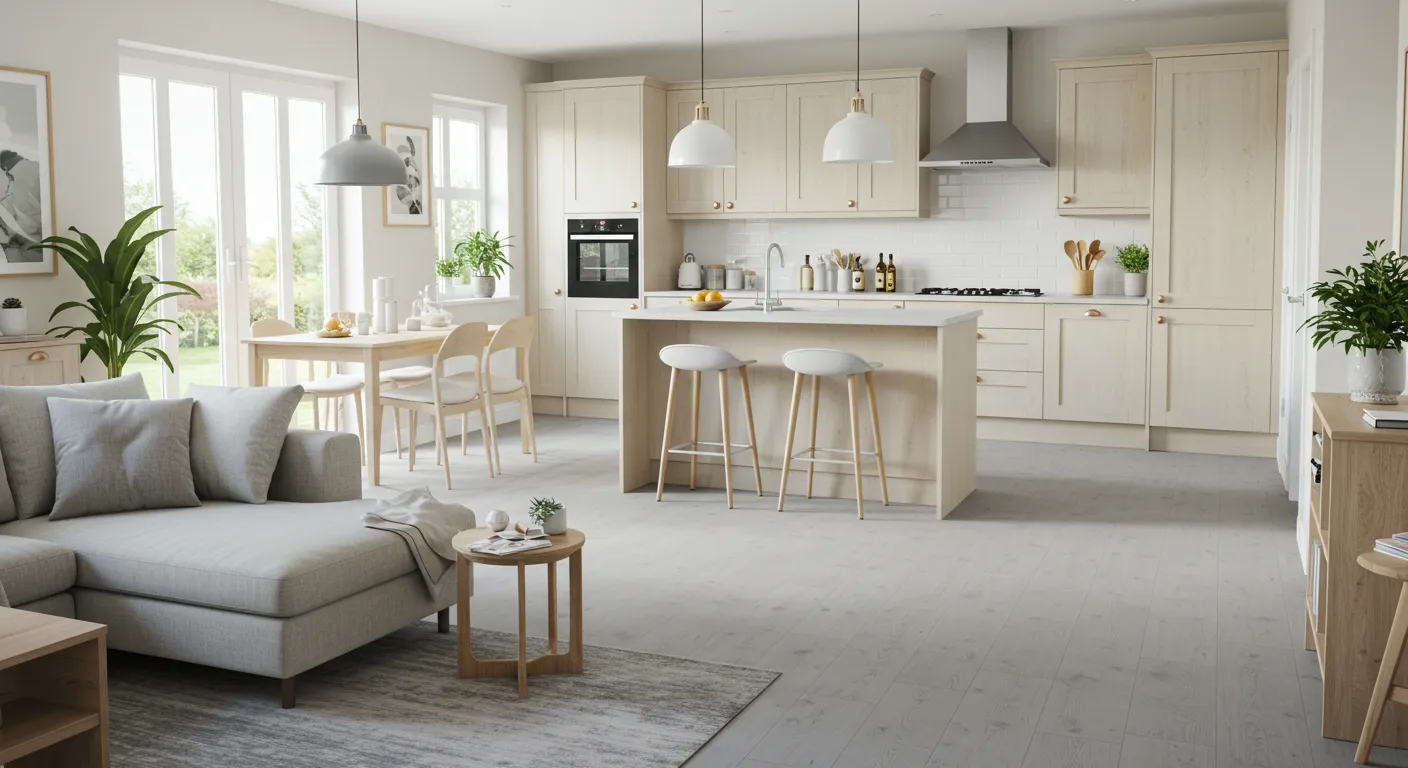
Once you’ve identified how your home should function, the next step is designing a layout that actually delivers it. A well-designed floor plan isn’t about trends or square footage—it’s about making daily life easier, smoother, and more enjoyable.
At Tradecraft Homes, the goal is to make that happen without overcomplicating the process. Clients work closely with the in-house team to shape layouts that reflect what really matters—not just what’s popular.
How the Design Process Works
Every Tradecraft project begins with a collaborative discovery session. That conversation isn’t just about picking finishes or counting bedrooms—it’s about how your life flows, and how your home can support it.
Once you’ve chosen a base plan from their Foundation, Craft, or Signature collections, the focus shifts to refinement. You might rework a hallway, shift a bedroom, or reposition the kitchen based on how you cook, relax, or entertain. Tradecraft’s process is intentionally flexible—so your layout adapts to your life, not the other way around.

Where Customization Counts
The key to a strong layout isn’t changing everything—it’s changing the right things. Tradecraft encourages homeowners to prioritize adjustments in high-impact areas.
Spaces worth thoughtful customization:
- The kitchen, especially if it’s where your household gathers daily. Layout, storage, and island placement are all worth dialing in.
- Primary bedrooms and bathrooms, which should feel like retreats. Think window placement, closet access, and noise separation.
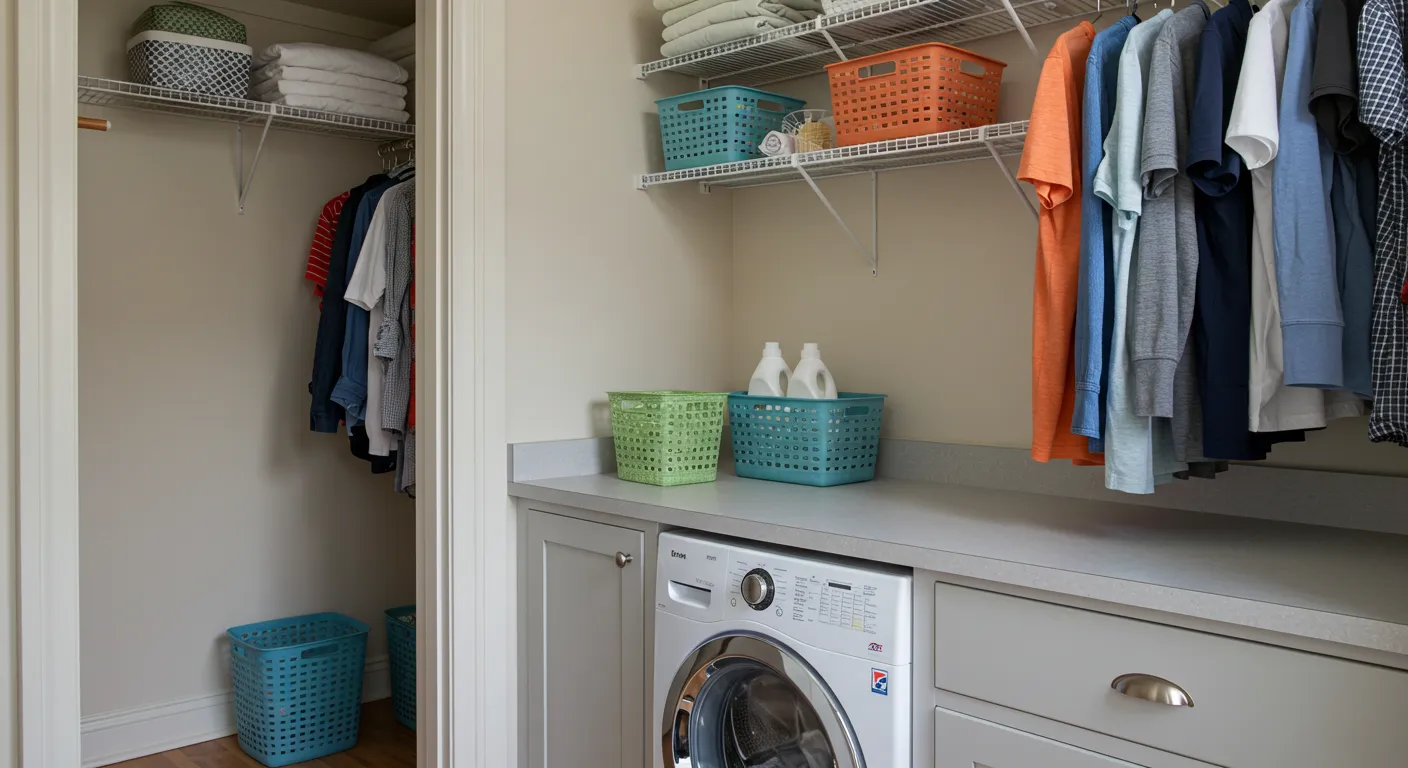
- Transitional zones, like mudrooms, hallways, or laundry areas, where design impacts convenience more than appearance.
Secondary bedrooms, powder rooms, and garage layouts typically require less adjustment—especially if they’re not used daily.
How to Prepare for a Productive Design Session
You don’t need architectural knowledge to design a smart home. You just need to know how you live—and be ready to talk through it.
Start by thinking about:
- What frustrates you in your current home? Maybe it’s a lack of counter space, or a laundry room that’s too far from the bedrooms.
- What makes your favorite spaces work? Is it lighting, privacy, openness, or how they’re connected?
- Where do you spend the most time—and what would make that time better?
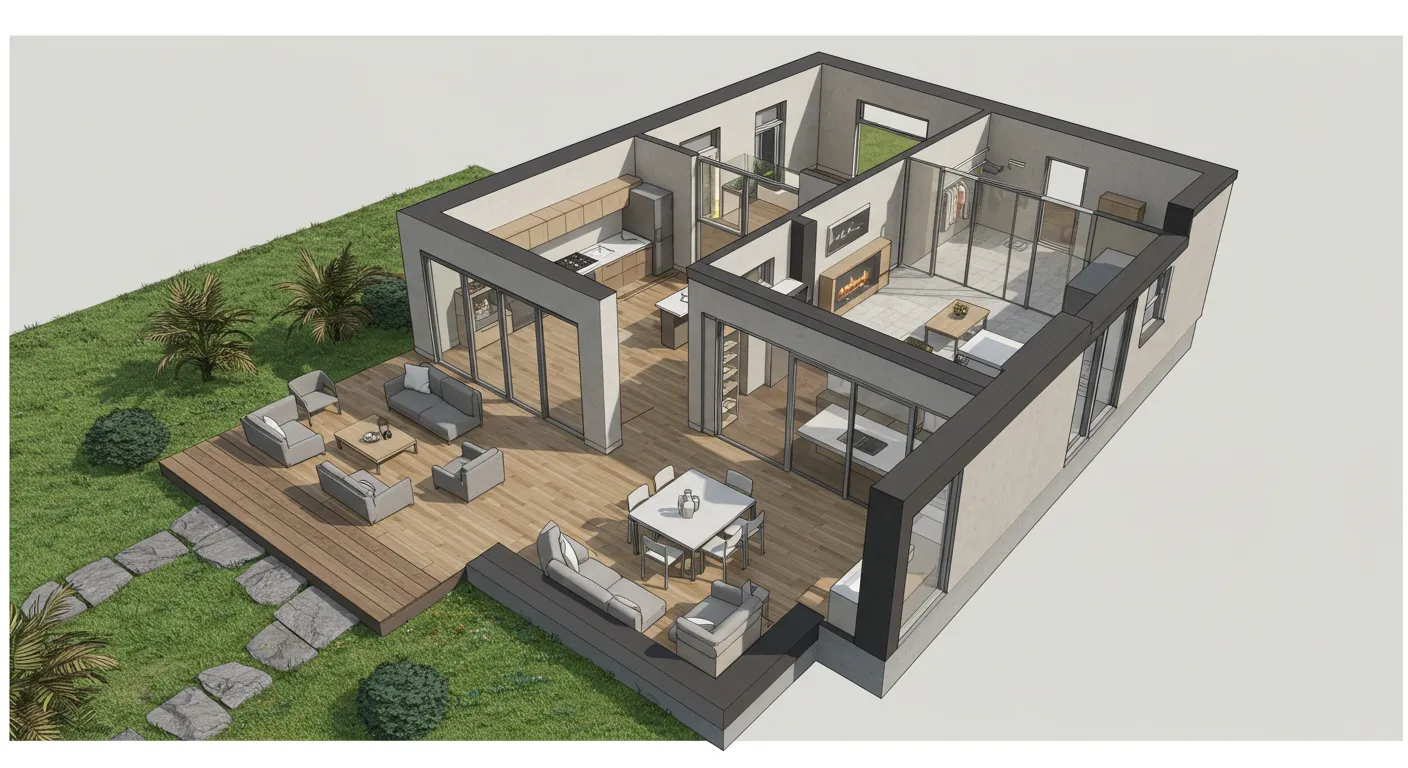
Even a simple list of priorities helps guide the design team toward a layout that fits naturally around your habits and values.
When Layout Affects Budget
One reason layout matters so much? It’s often where the biggest cost decisions live. Adjusting room sizes or flipping the position of spaces can often be done with little financial impact—but expanding the footprint or moving plumbing lines can add up fast.
That’s why Tradecraft takes a thoughtful, budget-conscious approach to modifications. The idea is to make intentional choices—not impulsive ones.
Modifications that tend to stay cost-efficient:
- Swapping two similarly sized rooms
- Adding or moving interior walls
- Reconfiguring closets or pantries
Changes that usually require more investment:
- Expanding the overall footprint of the home
- Adding a full bathroom or moving kitchen plumbing
- Removing structural walls or raising ceilings
Getting input early in the process allows you to prioritize upgrades that matter, and scale back on ones that don’t.
Putting It All Together
The best floor plans don’t call attention to themselves. They just work. You walk in and instinctively know where things go. You don’t have to think about traffic flow, storage, or how to get from one task to the next. It all feels intuitive—because it’s based on your life, not a default template.
That’s what Tradecraft Homes aims for with every project. And if you’ve followed Parts 1 and 2 of this guide, you’re already closer to designing a home that does the same.
What Makes a Floor Plan “Fit”?
A layout that fits your life isn’t just about square footage. It solves problems before they happen.
- It reduces friction in your routine—like making it easier to carry laundry or groceries from one room to the next.
- It creates quiet where you need it—between bedrooms, home offices, or shared walls.
- It anticipates movement, not just placement. You’ll never wonder where your keys, backpacks, or Amazon packages go.
- It supports the next chapter, whether that’s growing your family, hosting more often, or aging in place.
That’s the goal: not just space, but support.
Recapping the Smart Design Process
If you’re getting ready to build, remodel, or reconfigure your home, here’s a practical summary of the approach we’ve covered:
Step 1: Evaluate your real life. Don’t start with floor plan templates—start with your routine. Where do you eat, rest, work, gather, and store things? What causes stress in your current setup?
Step 2: Identify the non-negotiables. Not everything has to be customized—but some things should be. Maybe it’s the proximity between bedrooms and bathrooms. Maybe it’s having a direct line from garage to pantry. Know your must-haves.
Step 3: Use a base plan that gets you close. Tradecraft’s collections are designed to be modifiable without needing a full custom build. Pick one that fits 80% of your needs—then shape the last 20% intentionally.
Step 4: Edit, don’t overthink. Customize for flow, not flash. Remove walls that don’t serve you. Add light where it matters. Keep changes grounded in your day-to-day life.
Real-Life Tweaks with Real Impact
Over the years, Tradecraft clients have discovered that small, thoughtful adjustments make the biggest difference. Here are a few that have worked well:
- A family of five turned an underused formal dining room into a dual mudroom and homework zone.
- An older couple added a wider hallway and pocket doors to make future mobility easier without expanding the footprint.
- One solo homeowner combined their laundry and primary closet into one walk-through space—cutting daily steps in half.
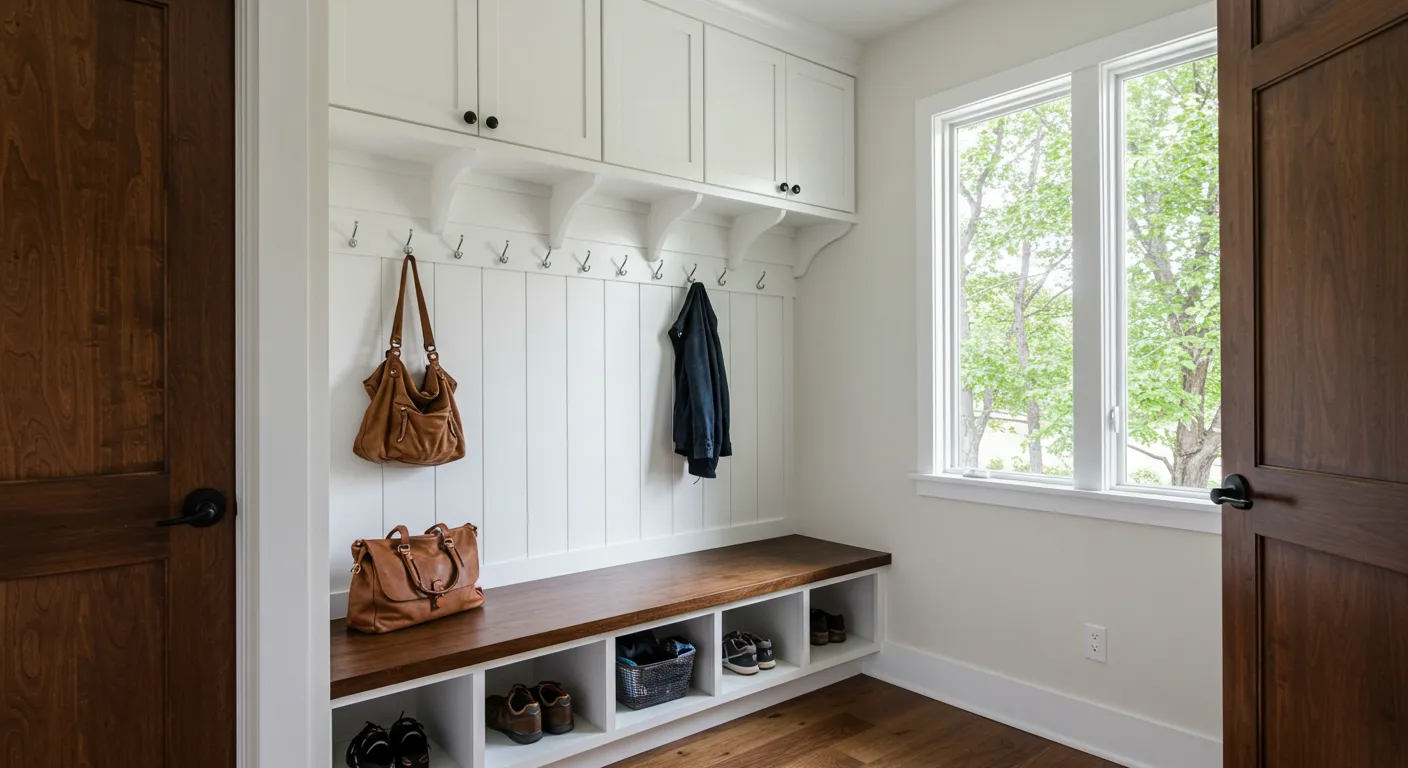
Each of these changes cost less than adding square footage—and made everyday life significantly better.
What You Can Do Right Now
If you’re just getting started, there’s no need to jump straight to blueprints. You can make meaningful progress by taking a few small but focused actions:
- Walk through your current home and jot down friction points—places that feel cramped, cluttered, or confusing.
- Start a “must-fix” list of five things your next home needs to solve.
- Browse a few model layouts from builders like Tradecraft and imagine how your routine would unfold in each.
- Book a conversation with a builder or designer who’s more interested in your lifestyle than your paint color.
These steps may seem simple, but they lay the groundwork for a home that supports you—not one you have to adapt to.
The Big Idea: Don’t Just Customize—Consider
It’s tempting to focus on features when designing a home. But the real magic happens when you zoom out and consider how the entire layout supports your life.
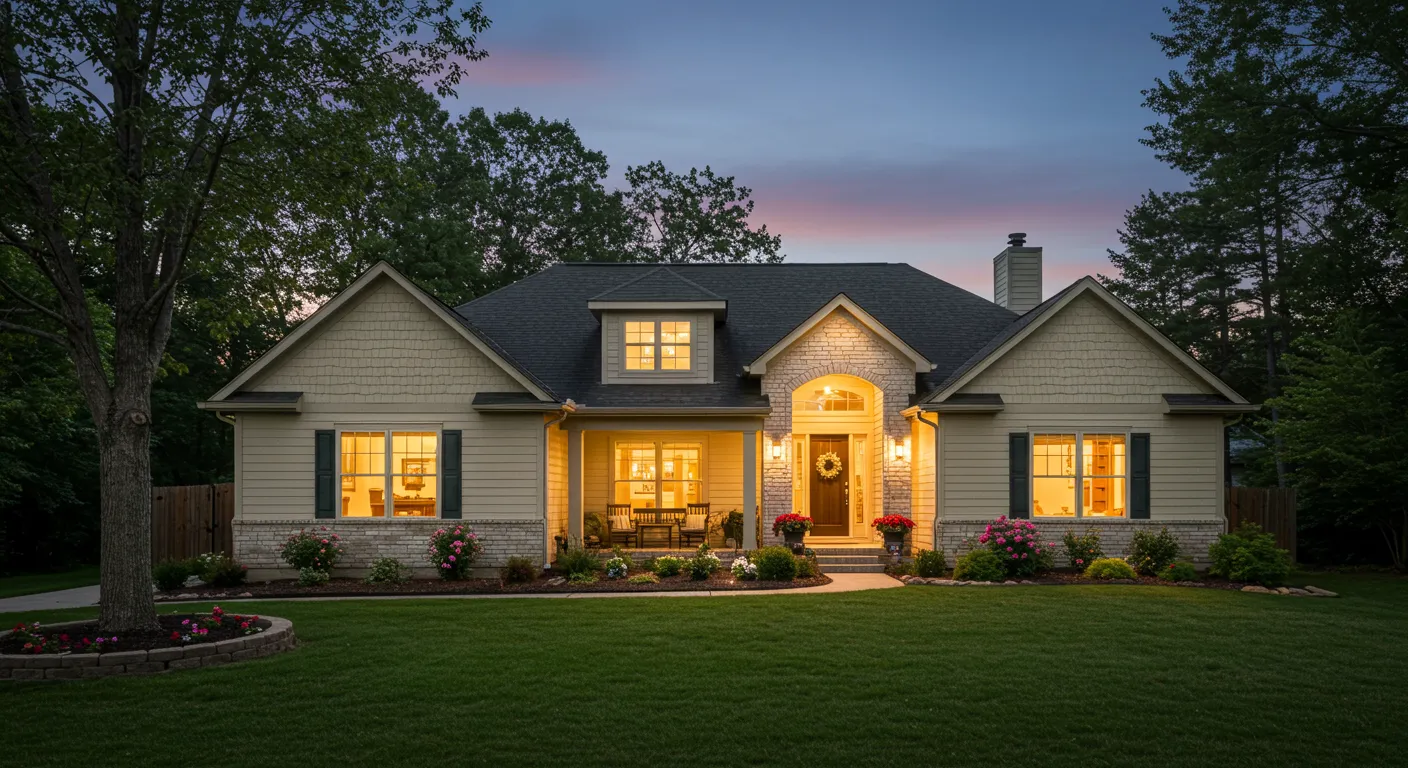
So yes, plan the kitchen you’ve always wanted. Add the window seat or walk-in shower. But more importantly, make sure the rooms you walk through every single day are doing their job.
A great home doesn’t just feel like “you.” It works for you. Quietly. Daily. Naturally.
Tradecraft Homes builds that kind of custom—not overdesigned, just well-designed.